Snap has unveiled its latest smart glasses, called Specs, and the price tag is impossible to ignore. At $2,195, these are not casual tech accessories. They are a serious bet on the future of wearable computing.
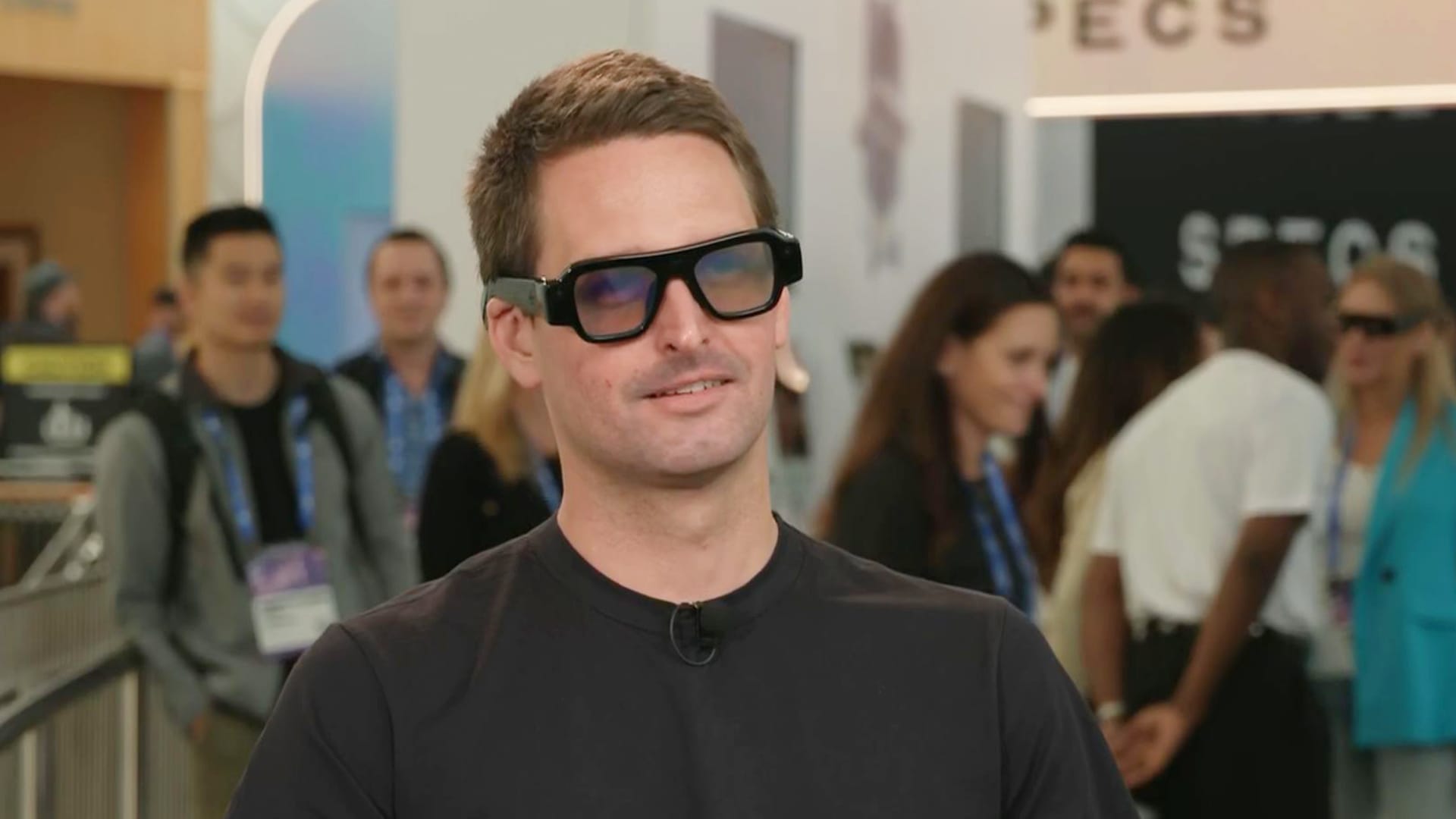
In an interview with CNBC, Snap CEO Evan Spiegel said the glasses are the result of more than a decade of work. His larger idea is simple but ambitious: technology should feel more natural. Instead of constantly looking down at our phones, computing should move into the real world around us.
On paper, that sounds exciting. Many people are tired of staring at screens all day, so the idea of technology quietly blending into everyday life has obvious appeal.
But during Spiegel’s interview, there was a strange irony. As he moved his head, the hidden display inside the lenses kept catching the light. It was hard not to notice. He was talking about escaping screens while wearing a device that places one directly in front of your eyes.
And then there are the glasses themselves.
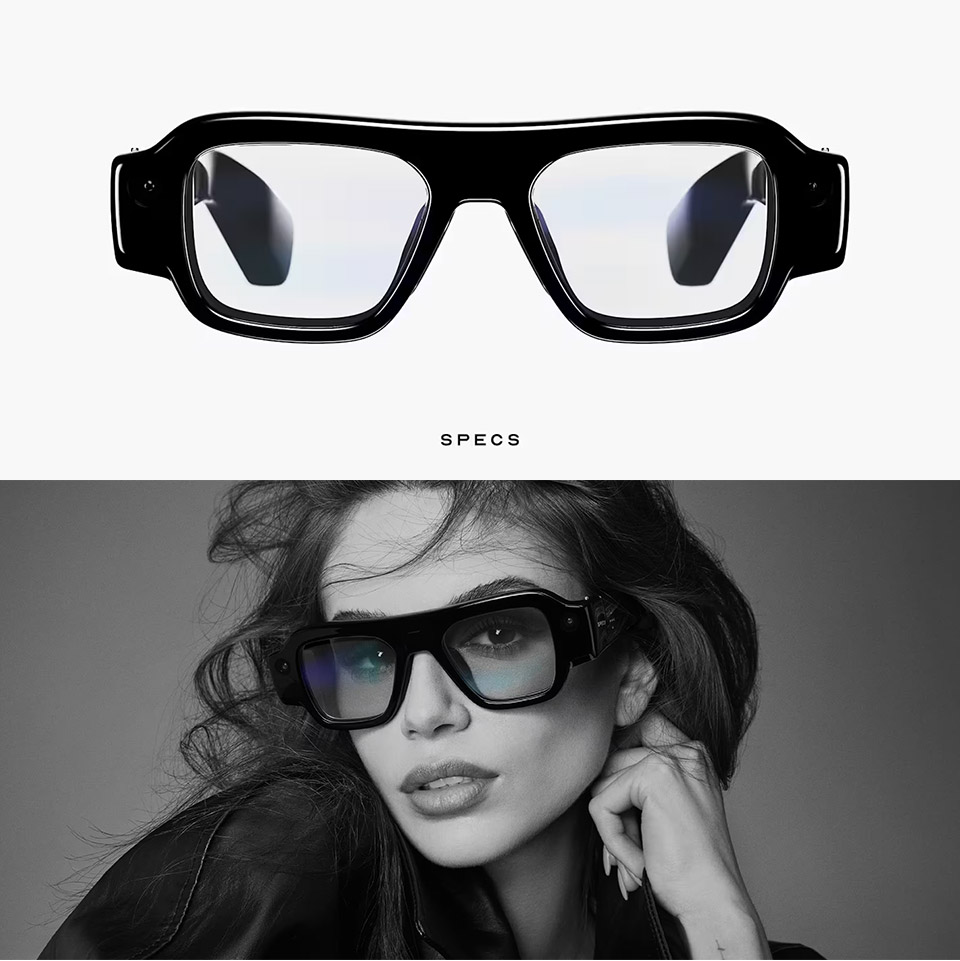
Fashion is subjective, but Snap’s Specs are not subtle. They have thick frames, oversized arms and a sharp, angular look that immediately stands out. Even without the technology inside, they would still feel like a bold fashion choice. These are the kind of glasses you expect to see on a runway, or on someone who enjoys making a statement.
That seems to be the point.
Snap’s marketing leans heavily into luxury fashion. The company worked with renowned fashion photographer Steven Meisel and brought in names such as Kaia Gerber, Hoyeon, Jimmy Butler, Jack Harlow and Imogen Heap to showcase the glasses. These are people with strong personal style and the confidence to wear something unusual.
But wearable technology has a different challenge. It does not just need to look interesting. People need to feel comfortable wearing it in real life, every day.
Smart glasses have struggled with this problem before. The more futuristic or attention-grabbing they look, the harder it becomes for regular users to adopt them. Google Glass became a symbol of tech excess partly because it was so noticeable. People who wore it stood out immediately, and not always in a good way.
Meta’s Ray-Ban smart glasses had a better chance because they looked familiar. Even though some users initially felt they were bulkier than regular eyewear, they still resembled normal glasses. That matters. Most people do not want their face to announce that they are wearing a computer.

This is also why Google and Samsung’s upcoming Android XR glasses are expected to work with eyewear brands such as Warby Parker and Gentle Monster. The idea is to give users more choice, from simple everyday frames to more fashion-forward styles.
Snap’s Specs do not really offer that kind of middle ground.
There is no blending in with these glasses. In one way, that may actually help with privacy because people can immediately tell you are wearing a device with advanced technology. But for many buyers, that is also the problem. Not everyone wants to walk around wearing something that attracts constant attention.
The price makes that challenge even bigger.
At $2,195, Specs are already out of reach for most people. But beyond cost, there is another very human factor: vanity. People care about how they look. Glasses sit right on the face and frame the eyes, which are one of the most expressive parts of a person’s appearance. If someone feels awkward wearing them, the technology will not matter much.
Comfort is another major question.
The larger version of the Specs weighs 136 grams, while the smaller version weighs 132 grams. Meta’s Ray-Ban smart glasses weigh around 69 grams. Regular everyday glasses are usually much lighter, often somewhere between 15 and 35 grams depending on the frame.
Anyone who wears glasses regularly knows that weight matters. Heavy frames can become uncomfortable after a few hours. They can press on the nose, pull on the ears and even cause headaches. At nearly twice the weight of Meta’s smart glasses, it is hard to imagine Snap’s Specs being comfortable enough for all-day use.
For people who need prescription glasses, the problem becomes even bigger. If Specs cannot comfortably replace their daily eyewear, then they become a secondary gadget. That means spending more than $2,000 on something they may only wear occasionally.
Of course, Snap probably knows this.
These glasses do not appear to be aimed at the mass market, at least not yet. The high price, bold design and fashion-heavy campaign suggest that Snap is targeting early adopters, developers and tech enthusiasts who enjoy standing out.
That may be the strategy. The smart glasses market is starting to heat up, and Snap clearly wants to stay in the conversation. If this version attracts enough interest, future models could become lighter, cheaper and more practical for everyday users.
Can some people pull off Snap’s Specs? Definitely. The promotional photos make that clear.
But for most people, the reality may look closer to Spiegel’s interview: a little futuristic, a little awkward and very hard to ignore.