Artificial intelligence workloads require immense computational resources, demanding an unprecedented volume of electricity. A recent transmission line failure on the United States’ largest power grid caused over three gigawatts of data center load to disconnect simultaneously, triggering regional voltage fluctuations. This incident clearly illustrates why power infrastructure and grid stability are quickly emerging as the primary bottlenecks for the next generation of artificial intelligence.
Introduction
The proliferation of large language models and enterprise AI has triggered a historic expansion of specialized computing infrastructure. Beneath the software layer, these systems rely entirely on a constant, immense supply of electricity to function. As developers build increasingly complex models, the sheer density of computing hardware is pushing legacy electrical grids to their physical limits. Ensuring power reliability is no longer just a facilities management issue; it is a critical prerequisite for advanced AI computing.
What Happened to the Power Grid?
Recently, a single power line failed outside of Washington, D.C. Under standard operating conditions, electrical grids recover from such faults within seconds. However, Northern Virginia contains the highest concentration of data centers on the planet, all connected to the massive PJM Interconnection grid.
When the transmission line tripped, the resulting voltage dip triggered automated failsafe systems across numerous data centers. These facilities simultaneously switched to backup power, instantly removing approximately 3.1 gigawatts of demand from the grid in about 30 seconds.
Because electrical grids require a precise balance between supply and demand, this sudden loss of load left an excess of 3.49 gigawatts of electricity flowing through the system. It took grid operators more than 11 minutes to stabilize the resulting voltage spikes, which caused lights to flicker in homes from Virginia to Chicago.
Ricardo de Azevedo, CTO of ON.Energy: “The canary in the coal mine” for the utility sector.
Why AI Data Centers Stress the Electrical Grid
Electrical grids function on a knife-edge balance. When millions of high-performance GPUs process heavy AI training workloads, they draw massive amounts of continuous power. The fundamental issue is how these dense computing facilities react to microscopic power irregularities.
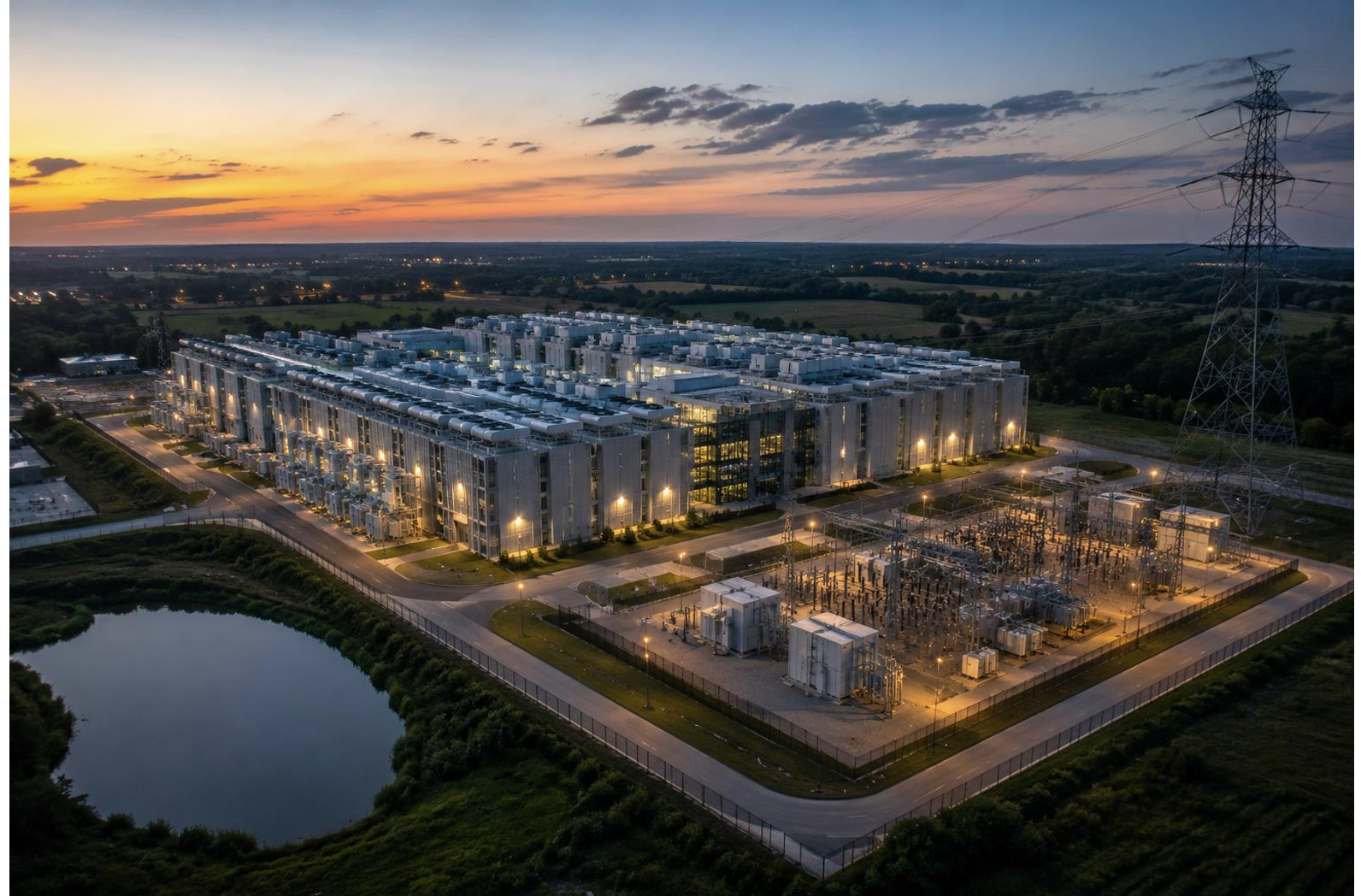
In power systems, milliseconds matter. Standard data centers are programmed to protect their own servers at all costs, acting in a split second to disconnect from the main grid at the first sign of voltage instability. When dozens of these massive facilities isolate themselves simultaneously, what begins as a minor supply dip becomes an enormous, destabilizing demand void.
How the Industry Plans to Solve the Problem
To prevent regional instability, the technology and utility sectors are rethinking how data centers interact with public infrastructure.
Sequential Load Management
Instead of disconnecting all at once, experts like Ali Zain Banatwala recommend that facilities sequentially disconnect and reconnect, allowing grid managers to predict and manage the drop in demand safely.
Campus-Scale UPS Infrastructure
Startups are designing campus-scale uninterruptible power supply (UPS) infrastructure. By placing the entire data center—including cooling chillers and servers—behind massive grid-tied battery banks, facilities become grid-friendly participants.
These smarter energy management systems feature advanced power conversion technology that can absorb fluctuations. If the grid surges, the batteries charge; if the grid dips, the batteries dispatch power, maintaining a perfectly steady power profile.
Real-World Impact
- Cloud providers must carefully evaluate where future AI infrastructure is built.
- Utilities need to modernize aging transmission networks while supporting unprecedented demand.
- Enterprise customers may experience higher cloud costs and regional capacity constraints.
- Consumers may notice power quality issues such as flickering lights caused by supply-demand imbalances.
Industry Outlook
Currently, data centers account for roughly 6% of the PJM grid's total load. Analysts project this figure will quadruple to approximately 24% by 2040.
As future data center growth accelerates, grid modernization must keep pace. Integrating renewable energy alongside infrastructure investments will require close coordination between technology companies and utility providers. Grid managers like Texas's ERCOT are already introducing regulations requiring major consumers to "ride through" minor disturbances instead of disconnecting immediately.
Traditional vs Next-Generation AI Data Centers
| Traditional Data Center | AI Data Center / Next-Gen Solutions |
|---|---|
| Protects only internal servers | Cooperates with overall grid stability |
| Disconnects instantly during voltage dips | Rides through fluctuations using campus-wide UPS systems |
| Smaller, predictable power draw | Massive, dynamic gigawatt-scale consumption |
| Operates independently of utility health | Integrates with intelligent energy management systems |
Strengths of Emerging Solutions
- Improved grid stability through large battery arrays.
- Better power efficiency across the entire facility.
- Higher operational reliability during AI training workloads.
- Enhanced resilience during temporary grid outages.
Current Challenges
- High infrastructure investment costs.
- Complex battery deployment at gigawatt scale.
- Aging electrical grids requiring modernization.
- Regulatory debates over funding future grid upgrades.
Why This Matters for the Future of AI
The relationship between artificial intelligence growth and energy systems is becoming inseparable. Reliable electricity is rapidly emerging as a competitive advantage for cloud hyperscalers.
Even the world's most advanced AI chips cannot operate efficiently if the surrounding electrical infrastructure cannot deliver stable power. Ensuring dependable electricity ultimately determines the pace of AI innovation.
Future Outlook
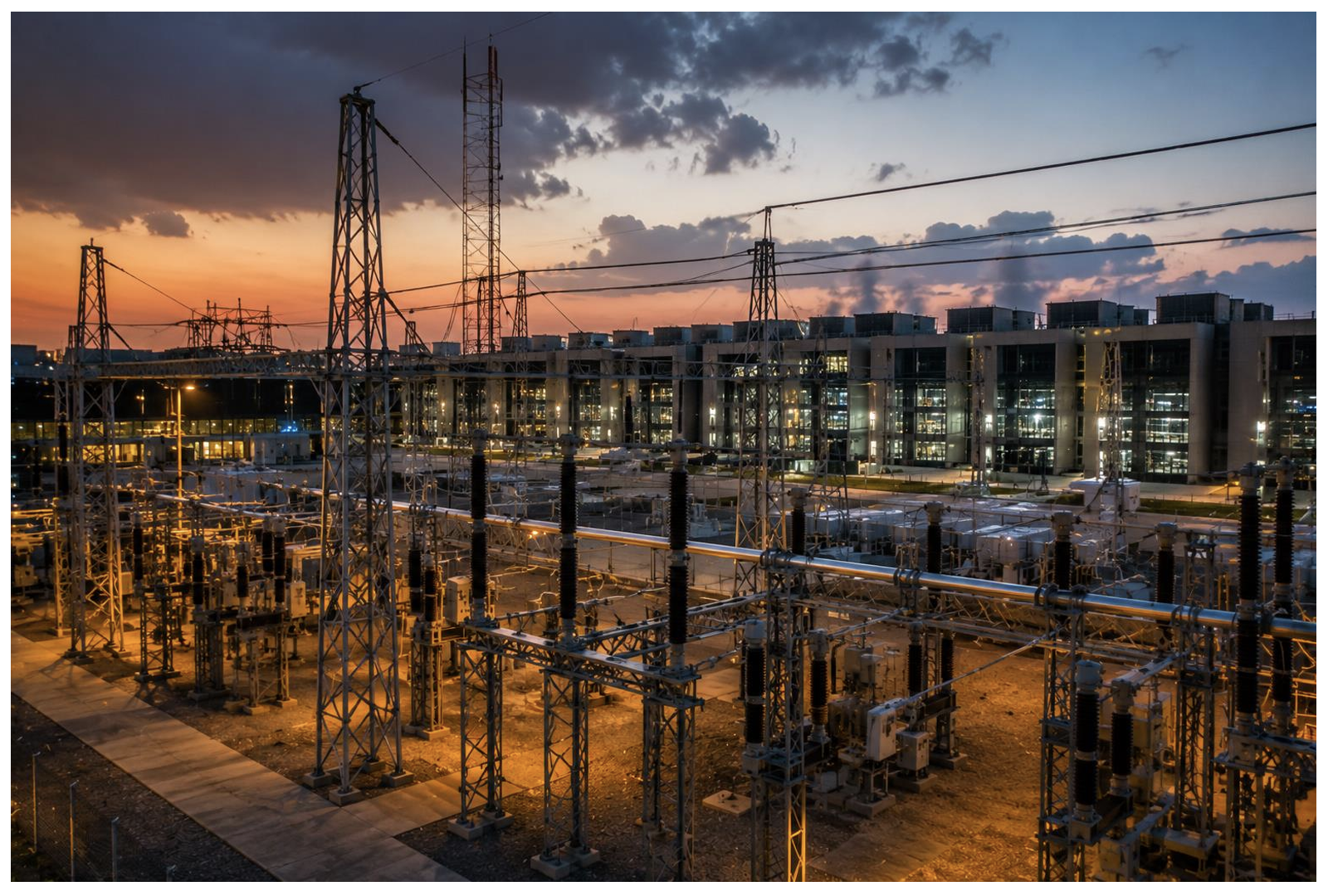
Next-generation AI data centers are expected to function more like decentralized power plants. Smart grids, large-scale battery storage and AI-aware energy management systems will transform these facilities into active participants within modern electrical infrastructure.
Final Verdict
The recent 3.1-gigawatt disconnection served as a warning rather than a catastrophe. It demonstrated that AI infrastructure is rapidly outgrowing legacy electrical grids. Fortunately, innovations such as campus-scale batteries and sequential load management are emerging quickly. Future data center construction will require as much expertise in electrical engineering as in software development.
Expert FAQs
Why do AI data centers consume so much electricity?
AI models require tens of thousands of high-performance GPUs operating simultaneously, consuming significantly more power than traditional web servers.
What caused the recent grid instability?
A transmission line failure caused a voltage dip, prompting numerous data centers to switch instantly to backup power, removing 3.1 gigawatts of demand from the grid.
How do battery-backed data centers help?
Large battery systems absorb excess electricity during surges and provide power during dips, insulating the electrical grid from sudden demand fluctuations.
Will AI increase electricity prices?
The significant investment required for grid modernization has raised ongoing discussions regarding how these costs should be shared between technology companies and consumers.
How are utilities adapting to AI growth?
Grid operators are introducing new rules requiring major electricity consumers to remain connected during minor disturbances, helping maintain overall system stability.