The Indian government has accelerated its timeline for achieving absolute technological sovereignty, mapping out an aggressive roadmap spanning both software regulation and hardware fabrication. During a recent NDTV event, Union Minister Ashwini Vaishnaw confirmed that a comprehensive consultation paper on artificial intelligence (AI) legislation will be issued in the coming weeks
Key Highlights
- Regulatory Overhaul: The Indian government will release an AI law consultation paper in the coming weeks to establish fundamental risk management principles
- Global Ecosystem Collaboration: Union Minister Ashwini Vaishnaw urged global tech giants to jointly establish standardized frameworks for emerging AI technologies
- Hardware Sovereignty: Fully Indian-designed and locally manufactured mobile phone brands are projected for market readiness by October 2028
- Semiconductor Independence: The first completely "made-in-India" semiconductor chip is officially slated for delivery in 2028
The Push for Artificial Intelligence Regulation
As AI adoption accelerates aggressively across both private enterprise and government sectors, the underlying risks have reached a critical threshold
The consultation paper is explicitly designed to gather structured input from society, citizens, and industry leaders
India's Strategic Technology Roadmap
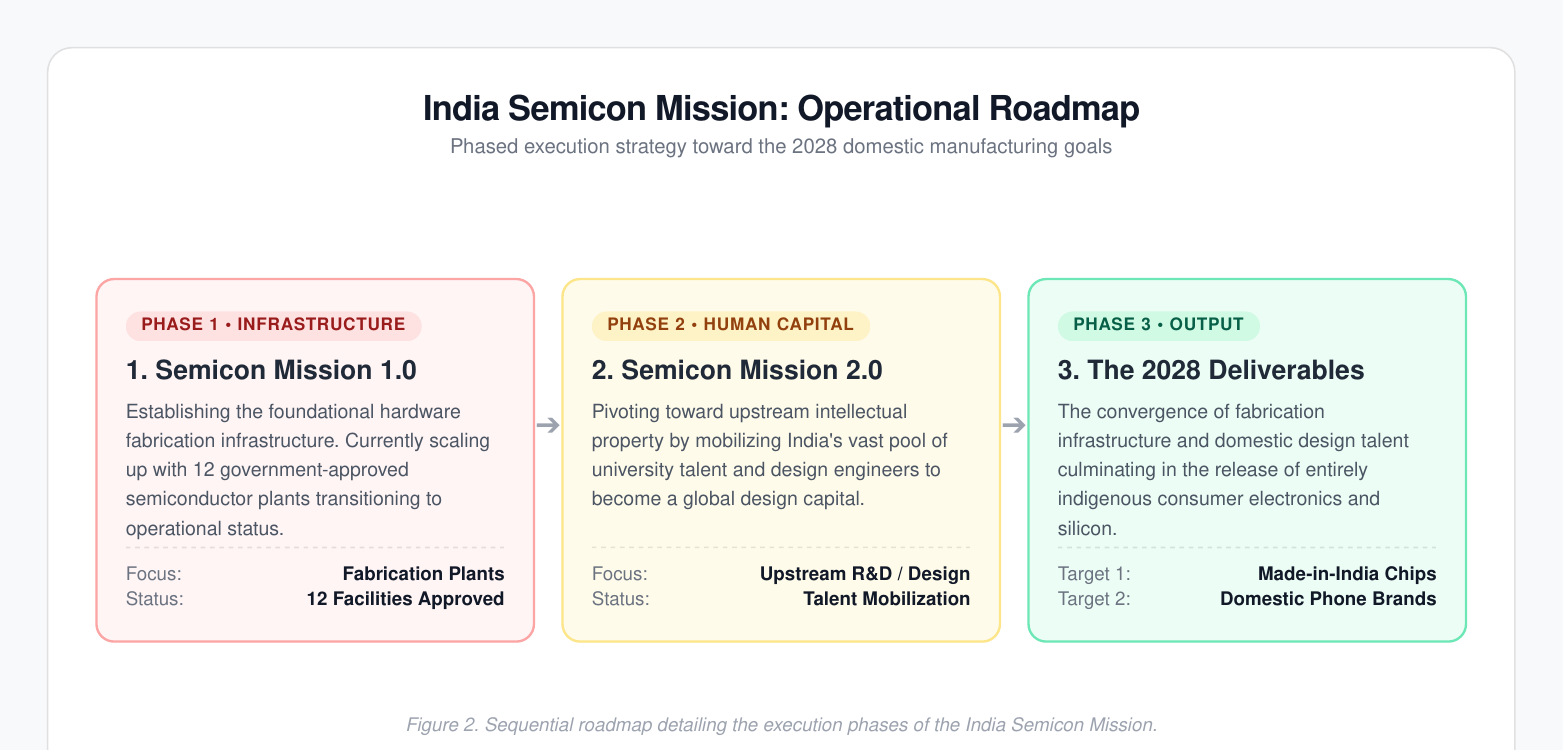
Figure 1. Strategic matrix outlining India's technological milestones across AI regulation and hardware manufacturing.
Semiconductor & Hardware Roadmap: The 2028 Output Goal
Beyond software regulation, India is fundamentally restructuring its hardware supply chains. The Electronics and IT Minister confirmed that the country, currently the third-largest electronics exporter, is on track to secure the second position globally
Beyond software regulation, India is fundamentally restructuring its hardware supply chains. The Electronics and IT Minister confirmed that the country, currently the third-largest electronics exporter, is on track to secure the second position globally
This growth is driven by the phased execution of the India Semicon Mission
.
From Fabrication to Global Design Capital
Under Semicon Mission 1.0, the government has successfully approved 12 semiconductor plants, which are actively transitioning to operational status (with the sixth facility inaugurating shortly)
The strategy is now aggressively pivoting to Semicon 2.0, which targets upstream intellectual property. The explicit goal is to establish India as the "design capital of semiconductors globally," leveraging the country's massive reservoir of design engineers and university talent
India Semicon Mission Operational Roadmap
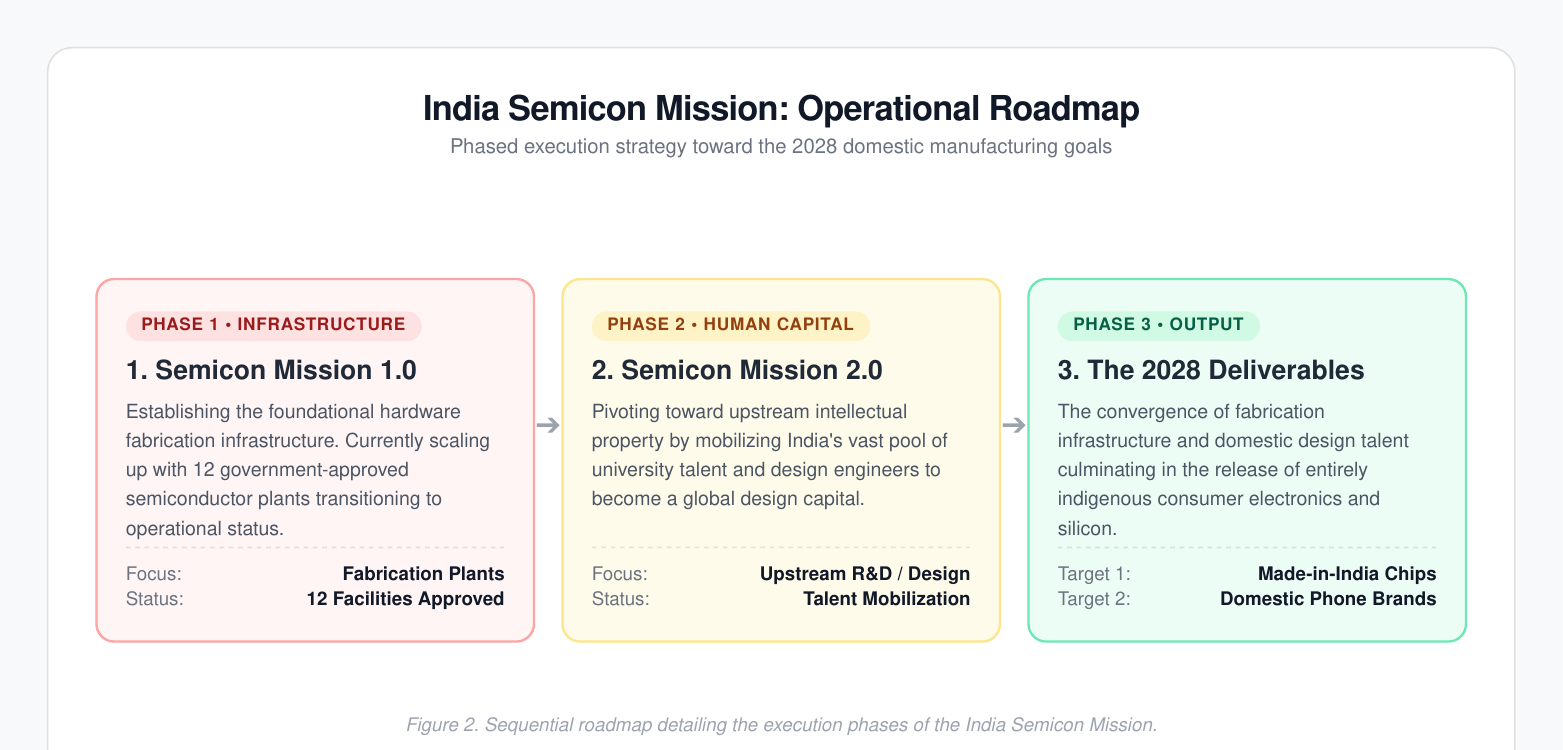
Figure 2. Sequential roadmap detailing the execution phases of the India Semicon Mission.
Final Verdict
The synchronized push for AI legislation and domestic hardware capability signifies a maturation of India's digital strategy. By targeting 2028 for the delivery of domestically designed mobile phones and made-in-India semiconductor chips[cite: 41], the government is attempting to insulate its technology sector from global supply chain shocks. The success of this roadmap hinges on the effective transition from Semicon 1.0 (fabrication) to Semicon 2.0 (design), leveraging human capital to rival major legacy electronics manufacturers worldwide.