The recent introduction of advanced artificial intelligence models from Chinese developers has ignited intense discussions across Silicon Valley and Washington, D.C. As foreign openweight systems begin to rival the performance of prominent American alternatives, frontier laboratories are increasingly lobbying for stricter regulations. This reaction highlights a complex intersection of national security, economic protectionism, and corporate strategy. Ultimately, the debate extends far beyond the technical benchmarks of any single model, representing a broader battle over who controls the underlying infrastructure of the next digital economy.
Introduction
Generative artificial intelligence is evolving at a breakneck pace, transforming from experimental research into foundational enterprise infrastructure. As the technology matures, the geographic center of innovation has become a heavily contested battleground. The rivalry between American and Chinese technology companies is escalating rapidly, turning software releases into geopolitical events.
Every major model deployment now attracts intense global scrutiny. Developers and policymakers are no longer just evaluating context windows and coding capabilities; they are parsing these releases for signs of shifting global dominance. This environment has created a hypersensitive industry where a single software launch can trigger widespread panic regarding international competitiveness and the viability of domestic tech monopolies.
What Triggered the Latest Debate?
The current wave of industry anxiety was catalyzed by the release of Moonshot AI’s Kimi, a Chinese model that demonstrated surprising proficiency on standard technical benchmarks. This launch closely mirrored the earlier industry reaction to DeepSeek, proving that highly capable systems could be developed rapidly and cost-effectively outside of Silicon Valley.
Social media platforms quickly amplified the discussion. Hyperbolic claims circulated, including assertions that Kimi could entirely replicate the macOS operating system in under 30 minutes—a significant exaggeration of its graphical capabilities. The situation intensified when an executive at OpenAI publicly suggested that the United States should intentionally create “regulatory FUD” (fear, uncertainty, and doubt) to hinder the adoption of open-weight models. While the executive later walked back the statement, the incident exposed the underlying apprehension among established tech giants regarding foreign competition.
Understanding the Concerns Around Chinese AI
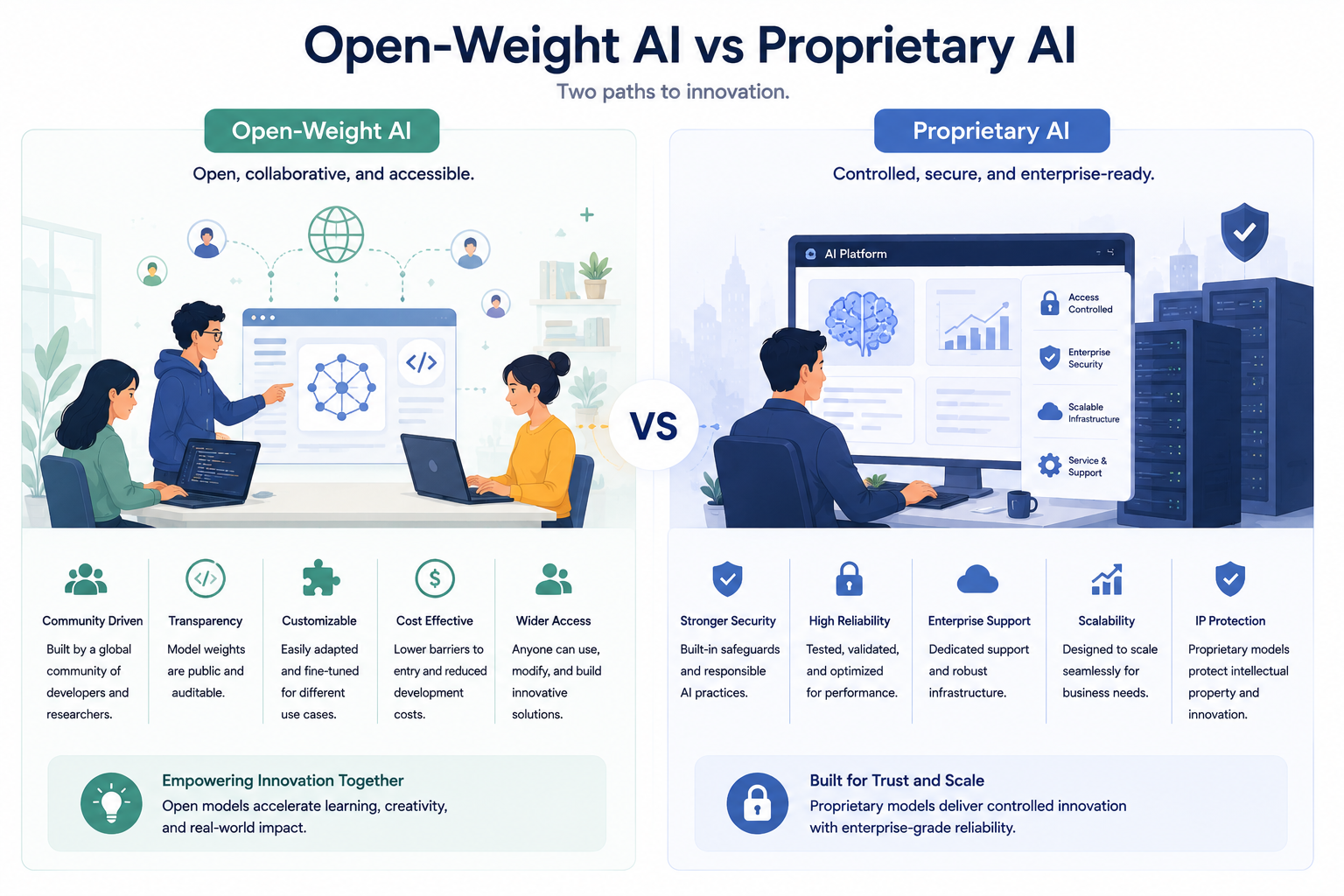
At the core of this friction is the fundamental architectural difference between open-weight systems and proprietary models. American market leaders have largely kept their most advanced algorithms closed, citing safety risks. Conversely, models like Kimi are frequently released with accessible weights, allowing global developers to inspect and build upon the underlying code.
Policymakers are approaching this dynamic with extreme caution. National security officials express concerns that adversarial nations could use these systems to accelerate cyberattacks or generate localized misinformation. Additionally, critics argue that Chinese models may possess implicit algorithmic biases aligned with state censorship. However, woven into these valid security concerns is a distinct thread of economic protectionism, as domestic companies seek legislative shields against cheaper, highly capable foreign alternatives.
Different Perspectives on AI Competition
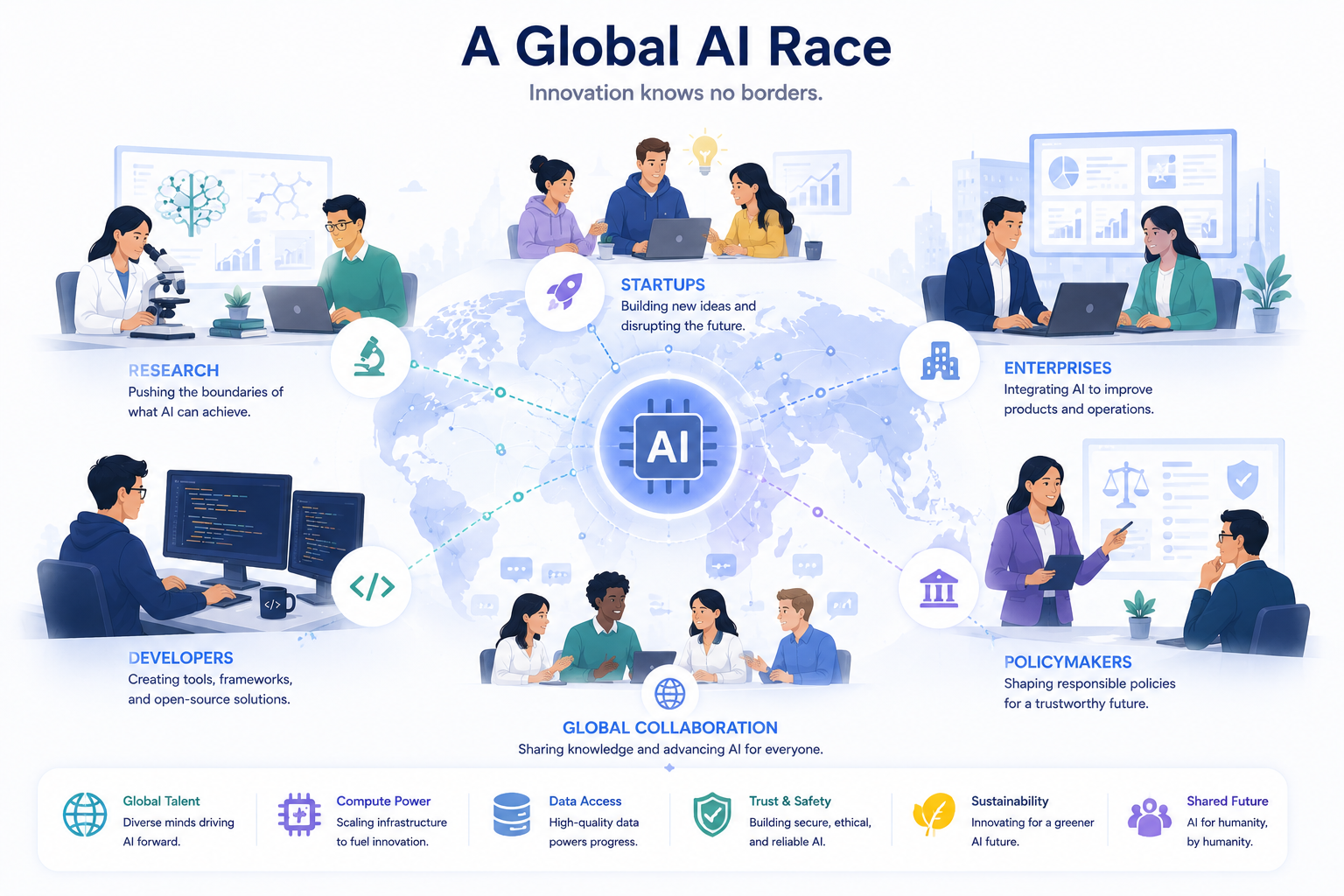
The tech industry is sharply divided on how to respond to this emerging parity.
• Frontier AI Laboratories: Companies investing billions into closed models argue that AI poses existential risks, necessitating strict controls that naturally favor wellfunded incumbents.
• Open-Source AI Advocates: Proponents of open development view these regulations as cynical attempts at regulatory capture, designed to protect profit margins rather than the public.
• Government Regulation: Lawmakers are drawing parallels to the recent legislative battles over TikTok, demonstrating a tendency to drastically escalate regulatory pressure whenever foreign technology achieves massive U.S. adoption.
• Enterprise Consumers: Businesses simply want access to reliable, cost-effective computing power, viewing global competition as a necessary mechanism to drive down exorbitant API costs.
Architectural Approaches: Open-Weight vs. Proprietary AI
| Feature | Open-Weight AI Models | Proprietary AI Models |
| Source Accessibility | Model weights are publicly available | Source code and weights remain closed |
| Development Cost | Often cheaper for enterprises to deploy locally | High licensing and API usage fees |
| Security Philosophy | High licensing and API usage fees | Controlled access prevents malicious use |
| Security Philosophy | Highly adaptable for specific enterprise needs | Limited to the provider’s API parameters |
| Market Leaders | DeepSeek, Moonshot AI, Meta (Llama) | OpenAI, Anthropic, Google |
Real-World Impact
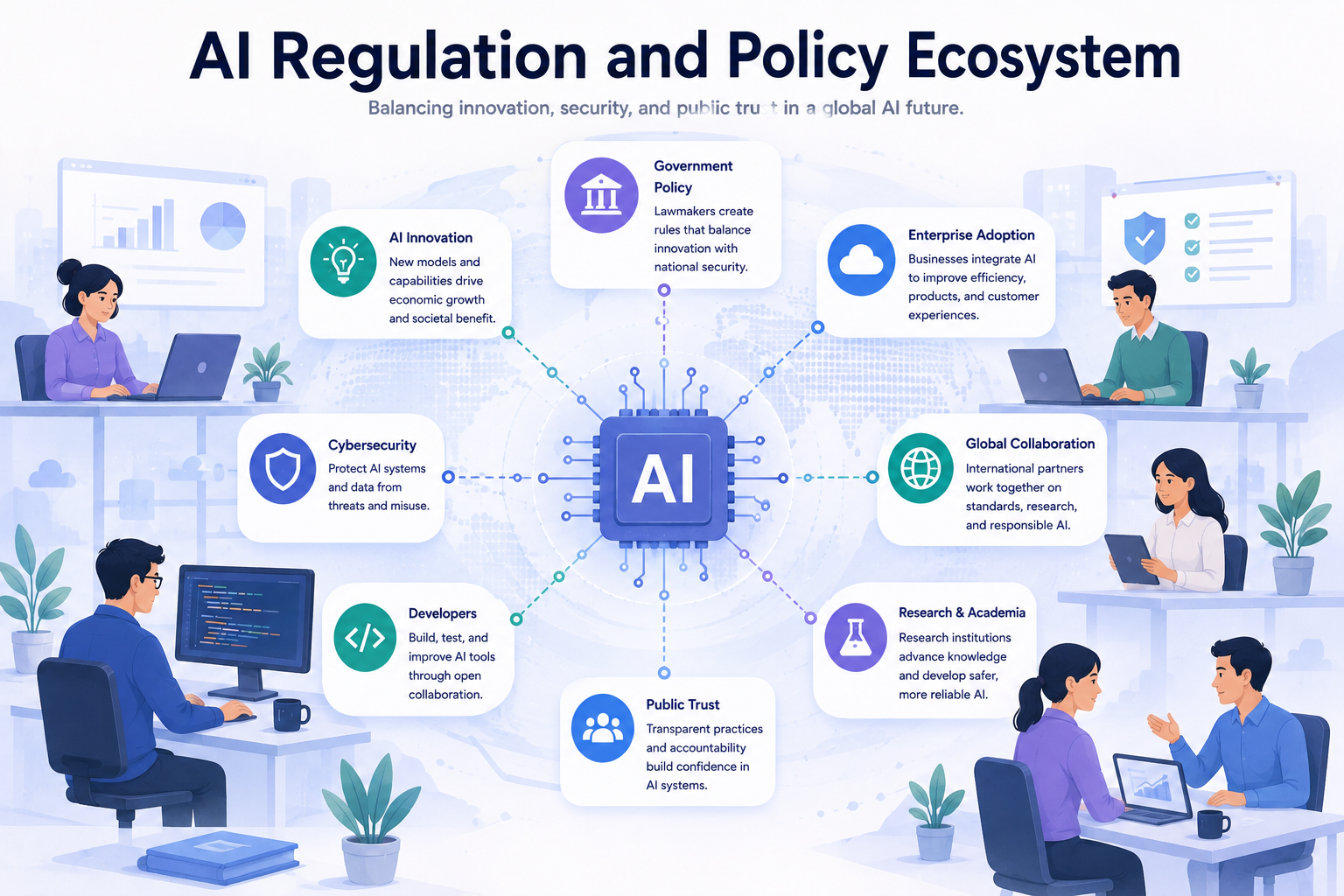
These heated debates have tangible consequences across the technology stack. AI startups face massive uncertainty; if broad bans are placed on foreign open-weight models, developers may be forced into expensive dependencies on a handful of American vendors. Enterprise customers, who rely on a diverse ecosystem of tools to keep operational costs manageable, risk losing access to highly efficient foreign models.
For governments, the challenge lies in drafting legislation that protects national interests without suffocating domestic developers who rely on open architectures. Meanwhile, researchers warn that balkanizing the AI ecosystem will ultimately slow down the rate of global scientific discovery.
Industry Outlook
Looking ahead, global AI competition is expected to fracture along regulatory lines. As the divide between open and closed ecosystems deepens, international collaboration will likely face severe political friction. Investment trends are already adapting, with venture capital quietly hedging bets across both proprietary titans and agile open-weight startups. If regulatory restrictions are implemented heavily in the West, we may see parallel AI economies emerge, isolating different regions into completely separate technological ecosystems.
Strengths of Open AI Innovation
• Faster innovation: Accessible weights allow a global community of developers to identify flaws and iterate rapidly.
• Lower development costs: Enterprises can build custom tools without paying exorbitant recurring API fees.
• Increased transparency: Independent researchers can audit the systems for bias and security vulnerabilities.
• Broader developer participation: Startups in emerging markets can participate in the AI boom without massive capital.
• Greater accessibility: Democratizes access to advanced computing capabilities across varied industries.
Current Challenges
• National security concerns: Open models can theoretically be repurposed by bad actors for malicious activities.
• Regulatory uncertainty: Drastic policy shifts make it difficult for enterprises to plan long-term AI infrastructure.
• Intellectual property issues: Training data sourcing remains legally ambiguous globally.
• Market fragmentation: Over-regulation could split the internet into regional AI silos.
• AI misinformation: Cheap, highly capable models can be used to generate synthetic media at scale.
Why This Matters for the Future of AI
Maintaining leadership in artificial intelligence is now a top strategic priority for global superpowers. However, how regulation shapes this innovation will determine the structure of the next digital era. Using national security as a pretext to ban open-weight competitors could inadvertently establish a permanent oligopoly, enriching a few frontier labs at the expense of broader economic innovation. Balanced policymaking is required to address legitimate security vulnerabilities without constructing artificial moats around established tech giants.

Future Outlook
The next generation of open AI models will inevitably challenge the performance of the best closed systems available today. Consequently, international AI regulation will become the defining tech policy issue of the decade. Enterprise adoption will hinge heavily on which models offer the best balance of safety, cost, and legal compliance. While crossborder AI collaboration may suffer in the short term, the fundamental mathematics driving this technology cannot be contained indefinitely. The future of the industry depends on striking a delicate balance between fostering fierce competition and ensuring global security.
Final Verdict
The launch of Moonshot AI’s Kimi served as a catalyst, exposing the deep-seated anxieties of the American tech establishment. While there are legitimate security and bias concerns regarding foreign algorithms, much of the current panic is heavily tinged with economic protectionism. Businesses and developers must prepare for a volatile regulatory environment. Rather than succumbing to the hysteria, organizations should maintain flexible software architectures, ensuring they are not locked into any single vendor— proprietary or open—as the global AI landscape continues to shift.
Expert FAQs
Why are Chinese AI models receiving so much attention?
Chinese models like Kimi and DeepSeek are proving that highly advanced, cost-effective generative AI can be developed quickly outside of Silicon Valley, challenging the presumed technological supremacy of American tech giants.
What is the difference between open-weight and proprietary AI models?
Open-weight models make their core mathematical architecture available for developers to download, inspect, and modify. Proprietary models are kept secret, requiring users to access them strictly through a controlled, paid interface.
Why are governments concerned about foreign AI systems?
Lawmakers fear that foreign-developed AI could contain algorithmic biases, facilitate statesponsored misinformation, or be used to accelerate cyber warfare capabilities against domestic infrastructure.
Can regulation slow AI innovation?
Yes. Heavy-handed regulation, particularly policies that restrict open-source development, can create massive financial barriers to entry, effectively preventing startups from innovating and cementing the power of large incumbents.
How does AI competition affect businesses and consumers?
Fierce global competition drives down the cost of using artificial intelligence. When openweight models rival proprietary ones, major companies are forced to lower their API prices, making the technology cheaper for everyday businesses and consumers.
What does this debate mean for the future of global AI development?
It signals a potential fracture in the global tech ecosystem. If nations begin aggressively banning foreign models, we could see the emergence of isolated, regional AI internets, slowing down international research collaboration.